Define
Establish the requirements and constraints for the individual vehicle systems.

VEHICLE DESIGN · CFD · VEHICLE DYNAMICS · INTEGRATION
Collaborative development of an electric competition vehicle, combining mechanical design, simulation and complete vehicle integration.
PROJECT OVERVIEW
This project involved the collaborative development of an electric motorsport vehicle, with students working across different areas of the car before integrating the individual systems into a complete vehicle concept.
My involvement covered mechanical design, steering, wiring, suspension development, powertrain calculations and aerodynamic analysis, giving me experience across multiple areas of vehicle engineering.
The project required each subsystem to be considered as part of the wider vehicle, with packaging, performance and component compatibility influencing the final design.
DEVELOPMENT PROCESS
Establish the requirements and constraints for the individual vehicle systems.
Develop steering, suspension and supporting mechanical systems using CAD.
Use engineering calculations and simulation to assess vehicle and subsystem performance.
Combine the mechanical and electrical systems into the complete vehicle architecture.
01
MECHANICAL DESIGN
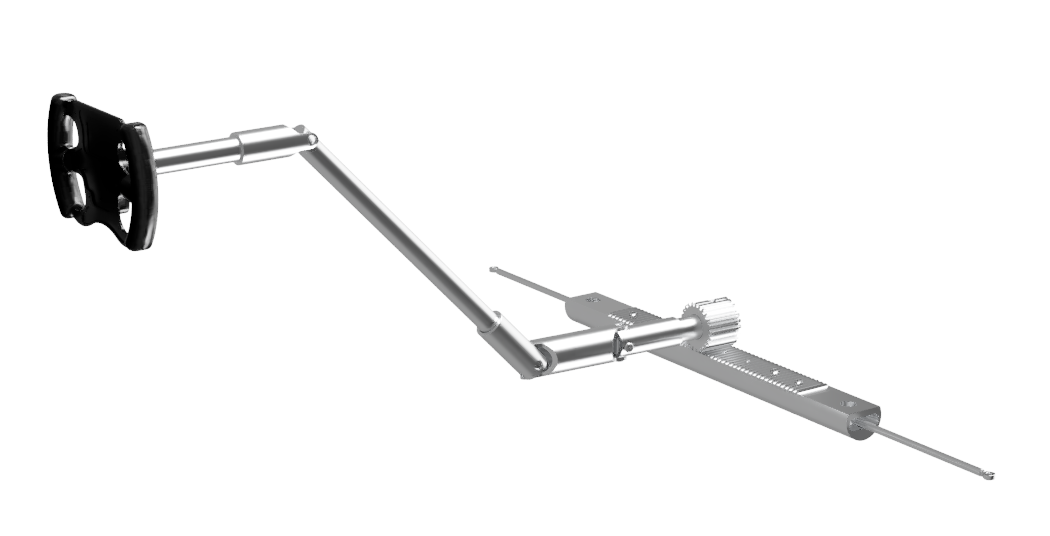
The steering mechanism was developed as part of the wider mechanical package, with geometry and component placement considered alongside the suspension and chassis.
02
VEHICLE DYNAMICS
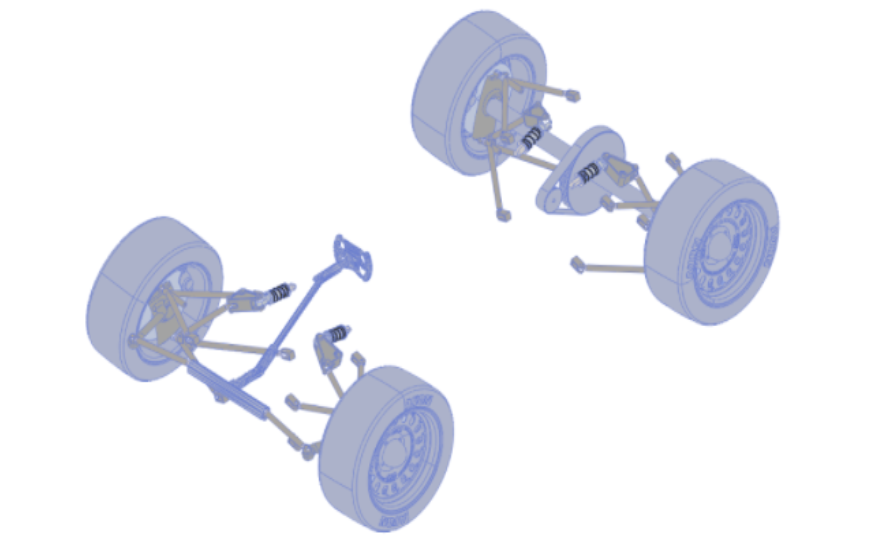
Suspension geometry was developed alongside the steering system to define the behaviour of the vehicle while maintaining compatibility with the wider mechanical package.
VEHICLE INTEGRATION
03
SYSTEM INTEGRATION
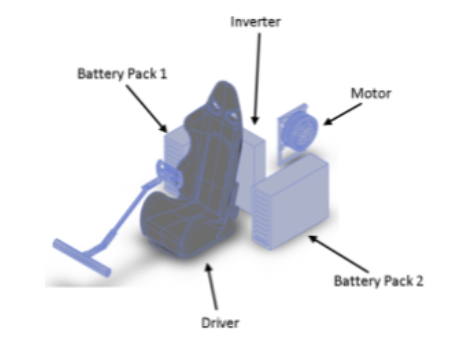
The electrical architecture also had to be considered during vehicle development, ensuring that the wiring and associated systems could be packaged within the mechanical design.
04
PERFORMANCE CALCULATIONS
Engineering calculations were used to support powertrain development and ensure that the selected system could meet the performance requirements of the vehicle.
Define the performance requirements of the vehicle and corresponding powertrain demands.
Use engineering calculations to investigate power, gearing and vehicle performance.
Package the selected components within the wider vehicle architecture.
05
COMPUTATIONAL FLUID DYNAMICS
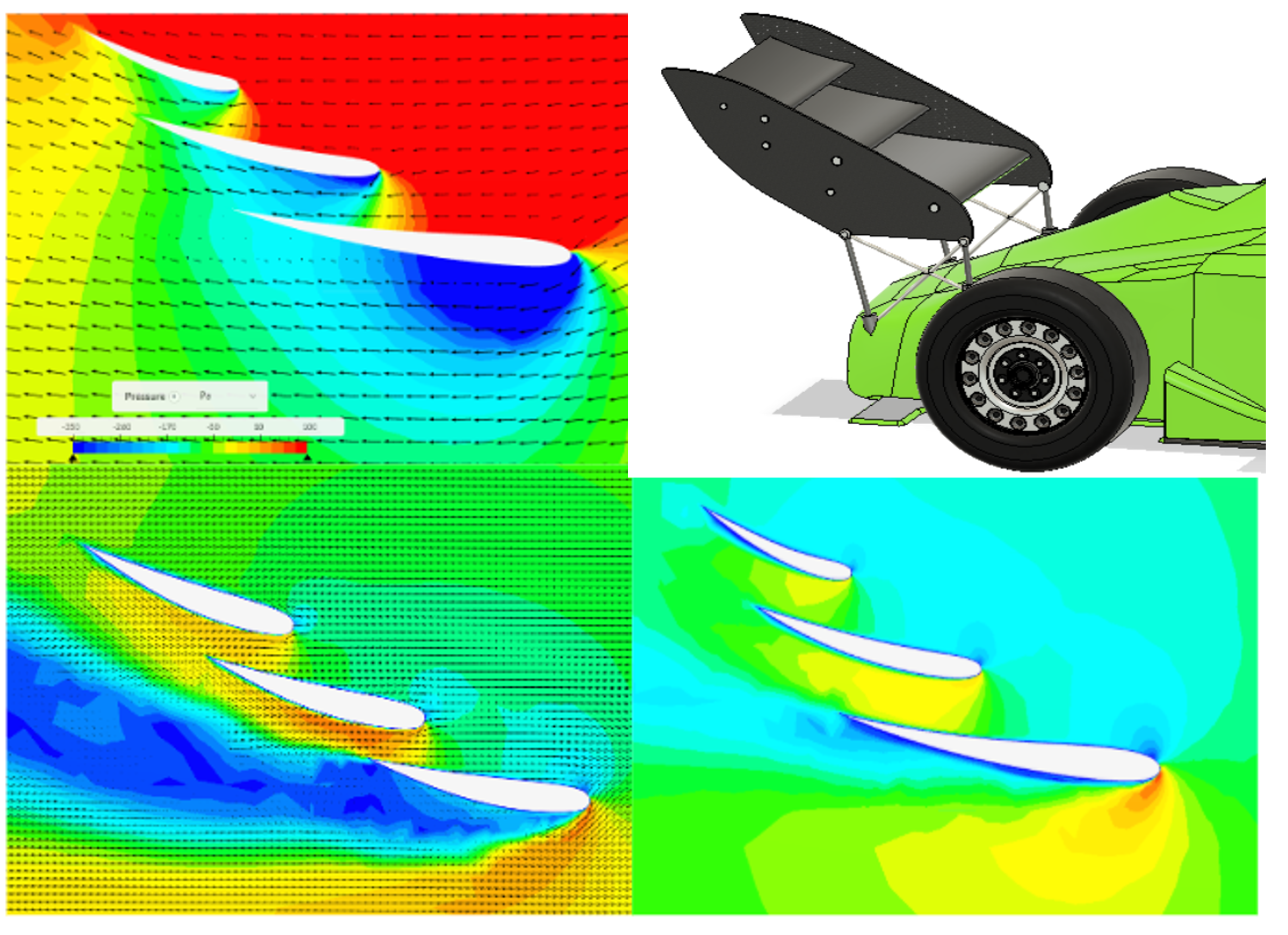
CFD analysis was used to evaluate the aerodynamic behaviour of the developed vehicle and identify areas for further design refinement.
FINAL DESIGN
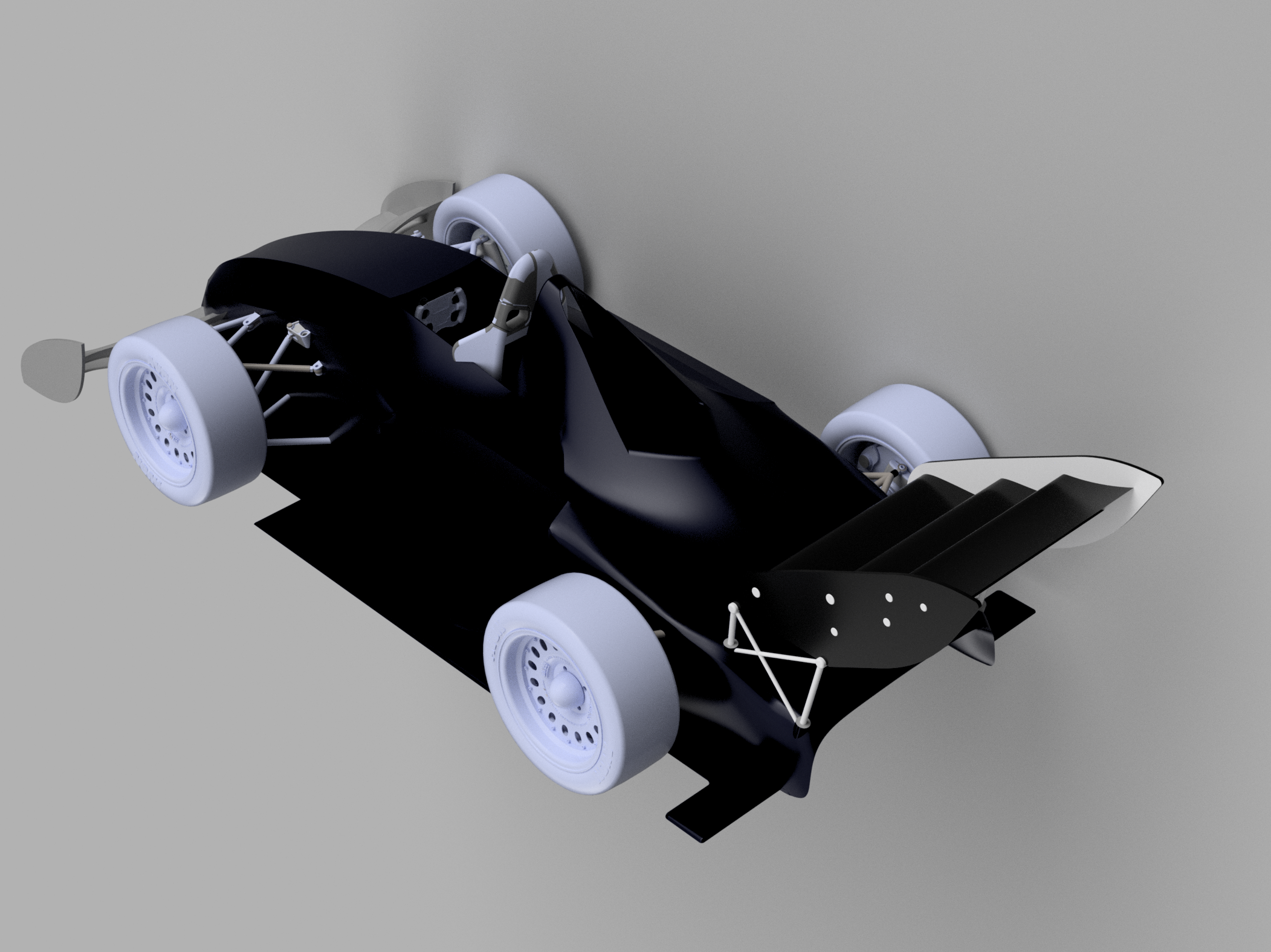
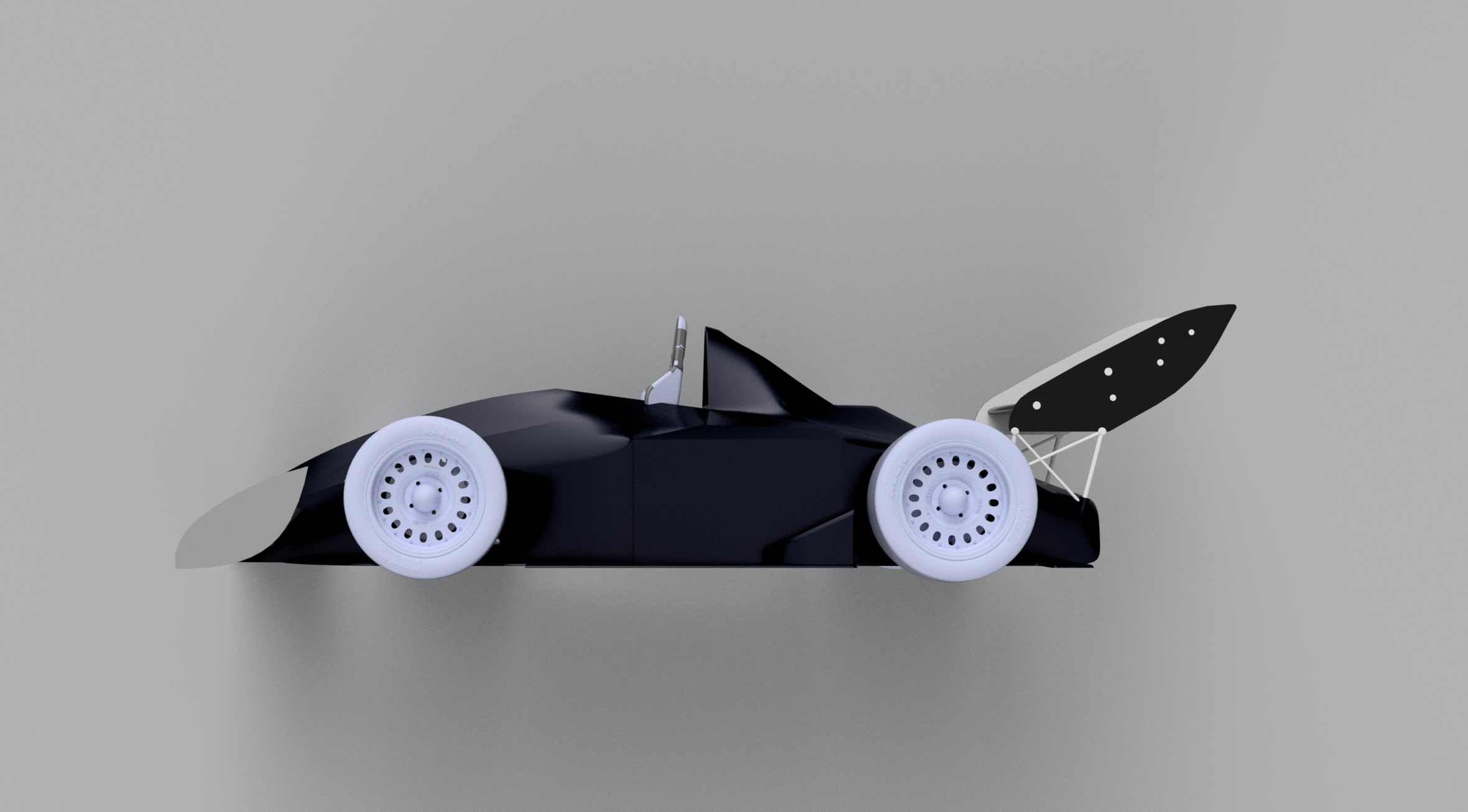
The final vehicle brought together the suspension, steering, electrical systems, powertrain and bodywork within a complete integrated vehicle package.
PROJECT REFLECTION
This project developed my CAD capability while expanding my understanding of CFD, vehicle dynamics and multidisciplinary vehicle integration.
Working across several vehicle systems reinforced the importance of understanding the interactions between individual components and the performance of the complete car.