01
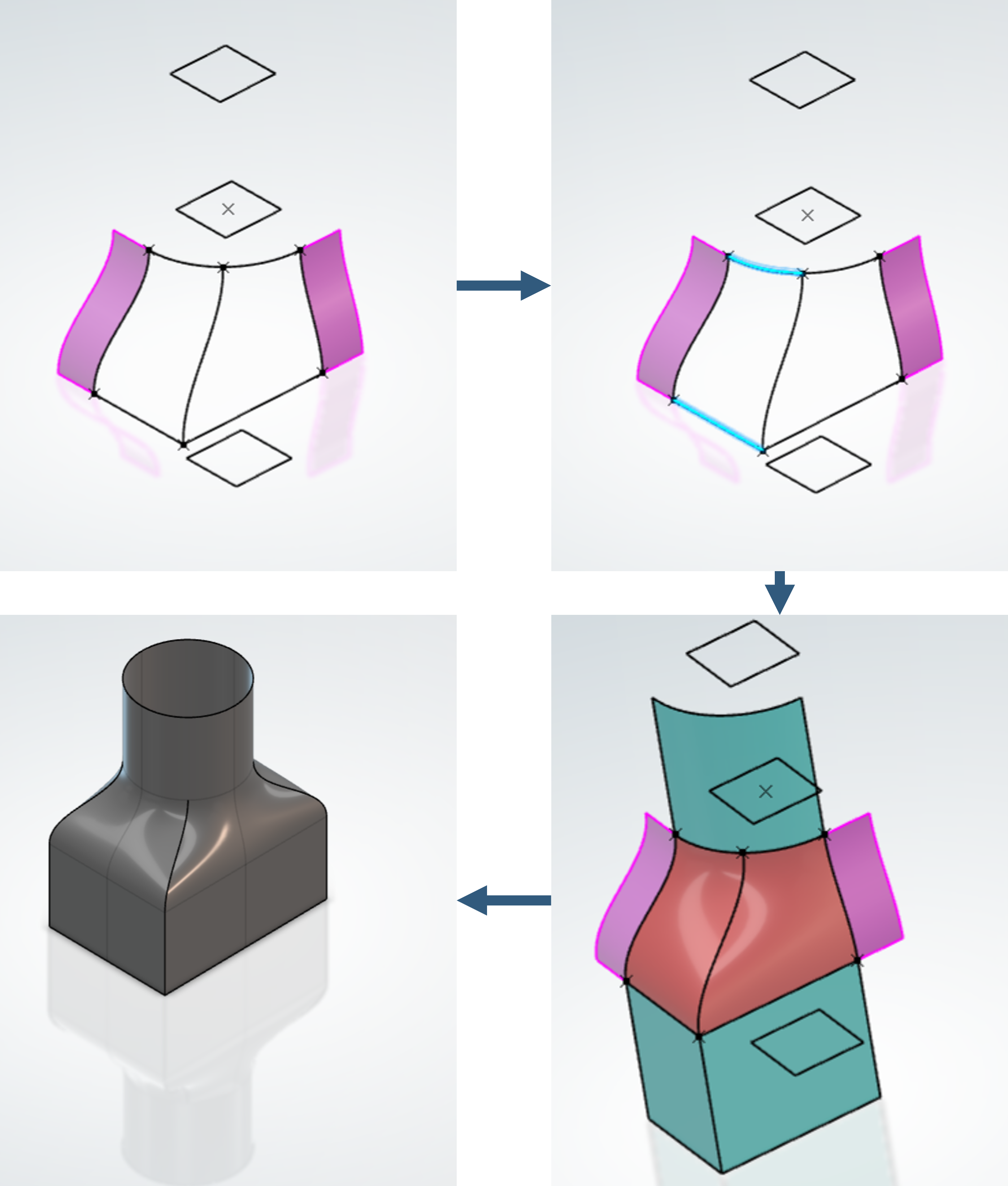
Transition Duct
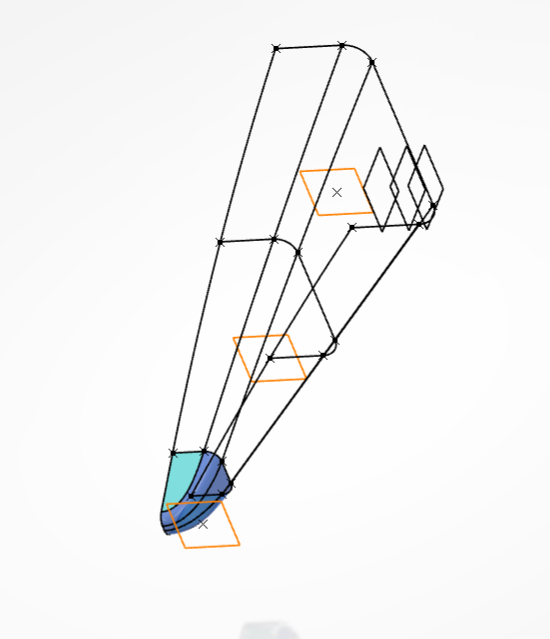
Rectangular-to-circular transition using wireframes, tangency surfaces and multi-section geometry.
DESIGN · CAD · SURFACING
Conceptual aerodynamic development using CATIA 3DExperience, generative shape design and parametric modelling.
PROJECT OVERVIEW
Throughout this project, I developed my understanding of surface modelling and parametric CAD using CATIA 3DExperience.
The work focused on creating adaptable geometry using wireframes, guides, points and surfaces, allowing components to be modified efficiently while maintaining robust design intent.
01
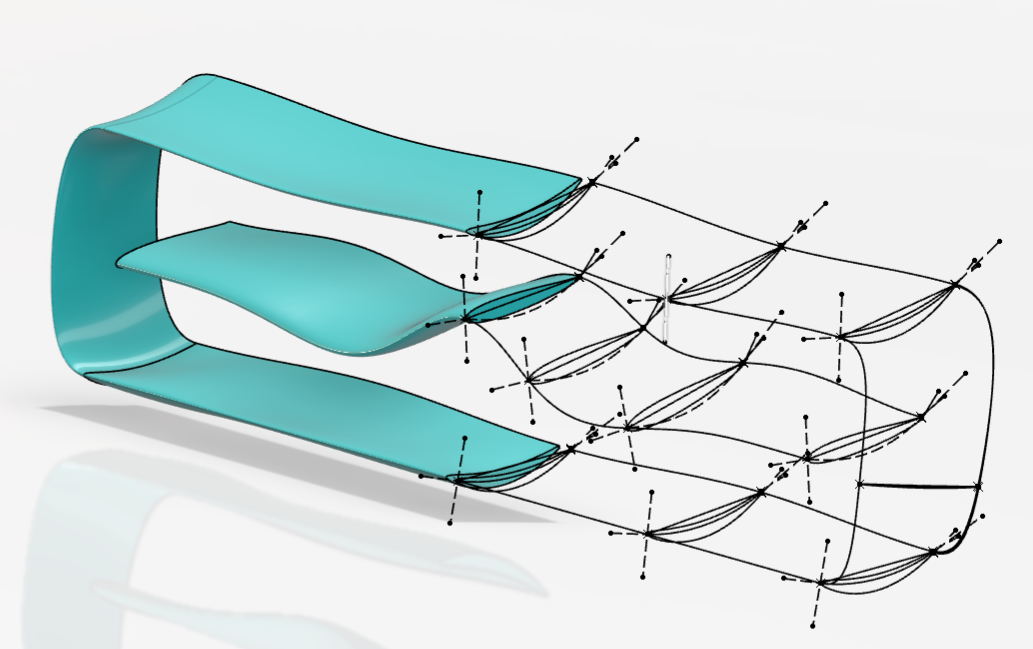
AERODYNAMIC SURFACING
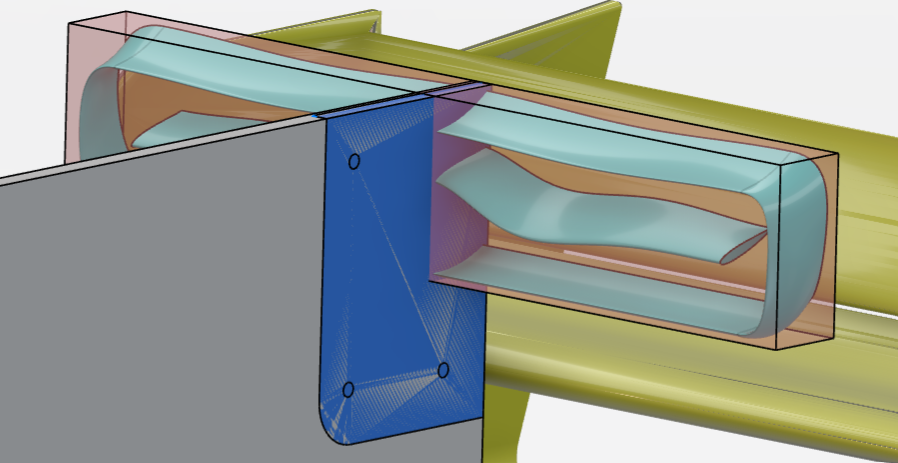
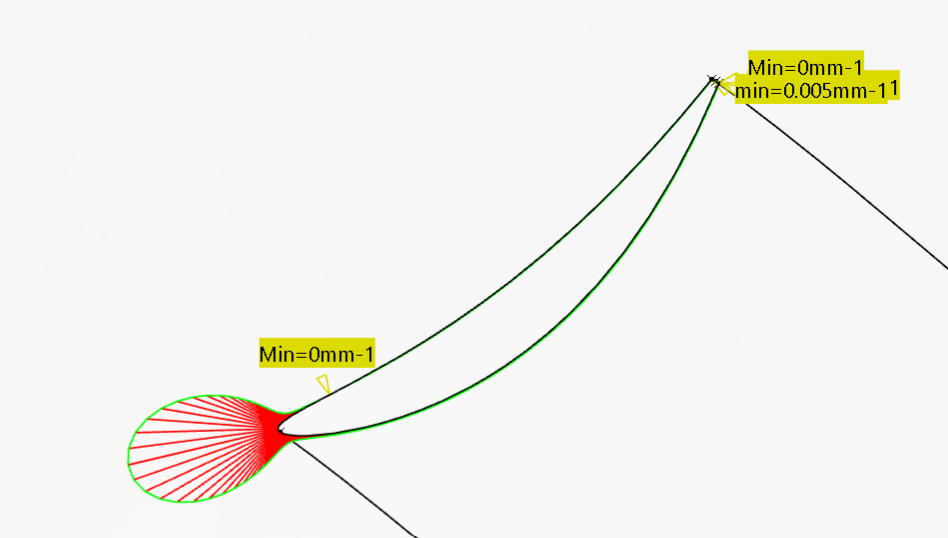
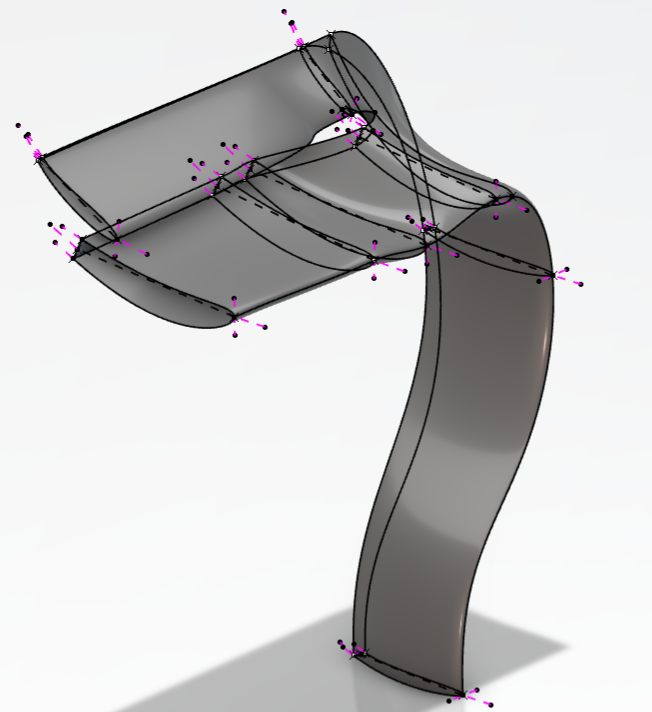
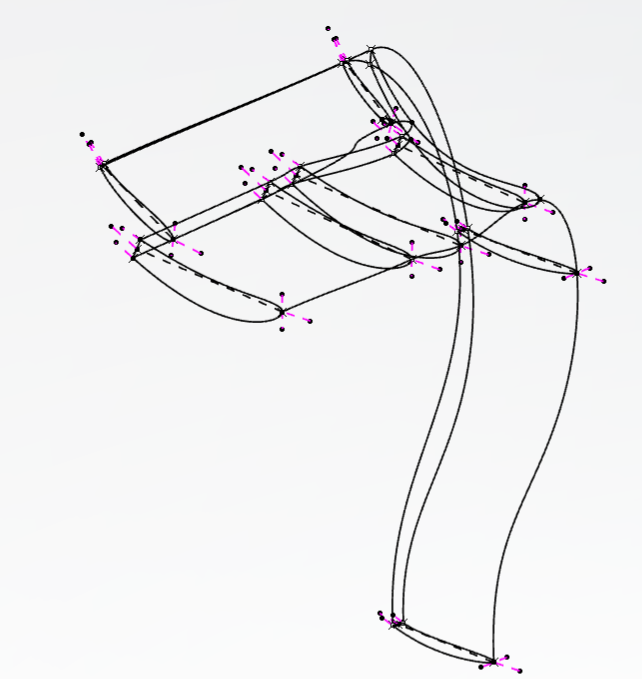
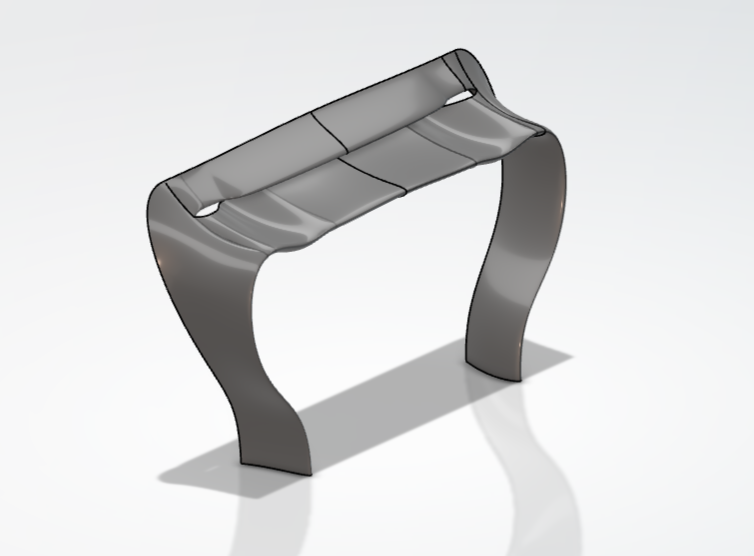
The T-Wing was developed using a parametric wireframe structure constructed from points, guides and aerofoil geometry.
02
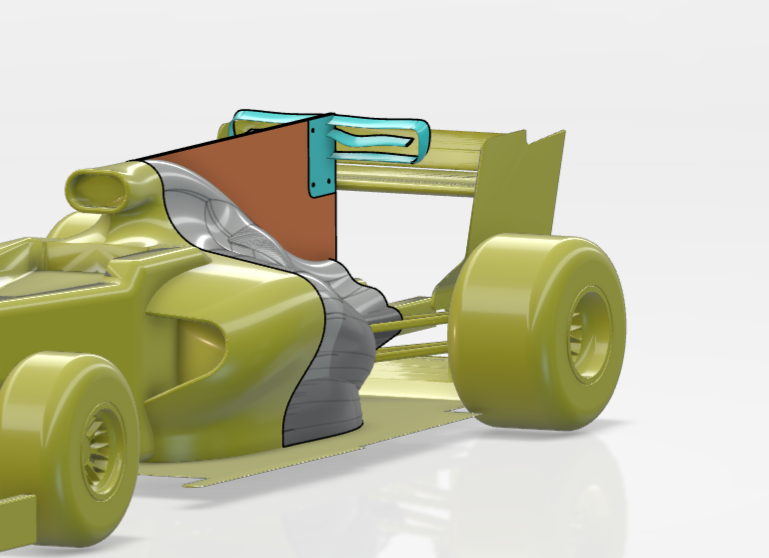
BODYWORK
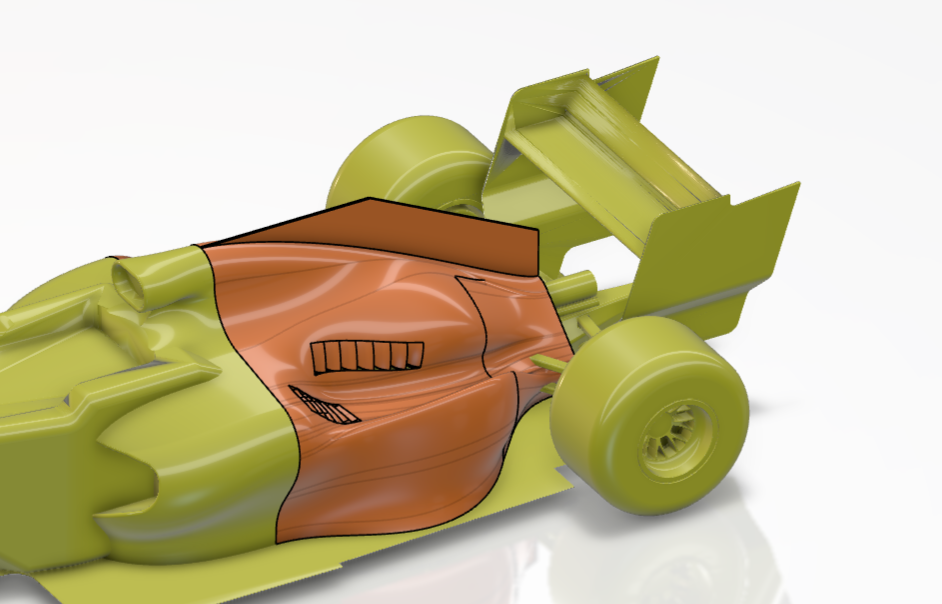
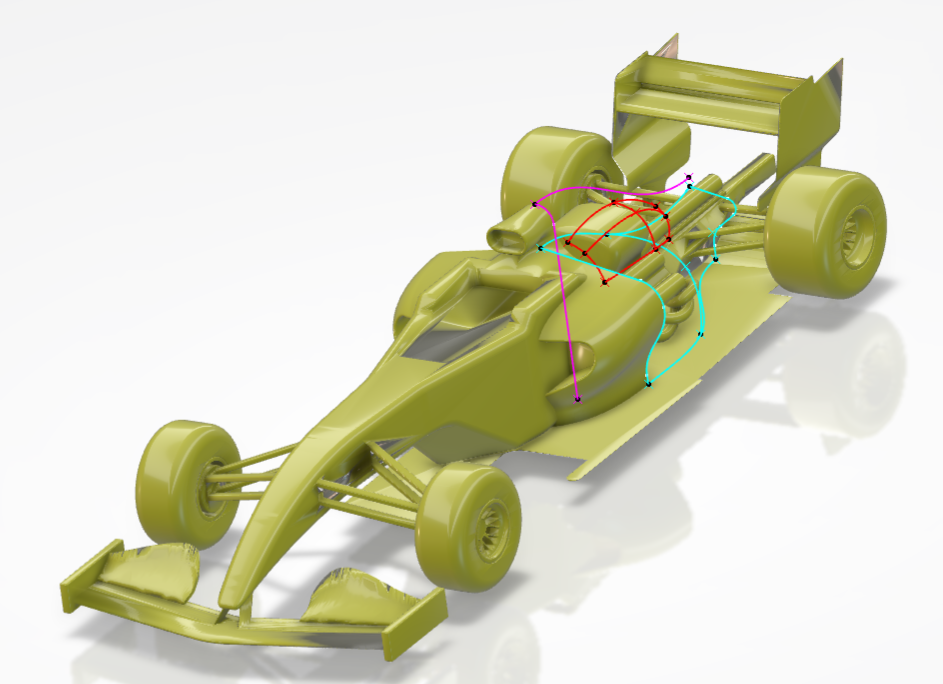
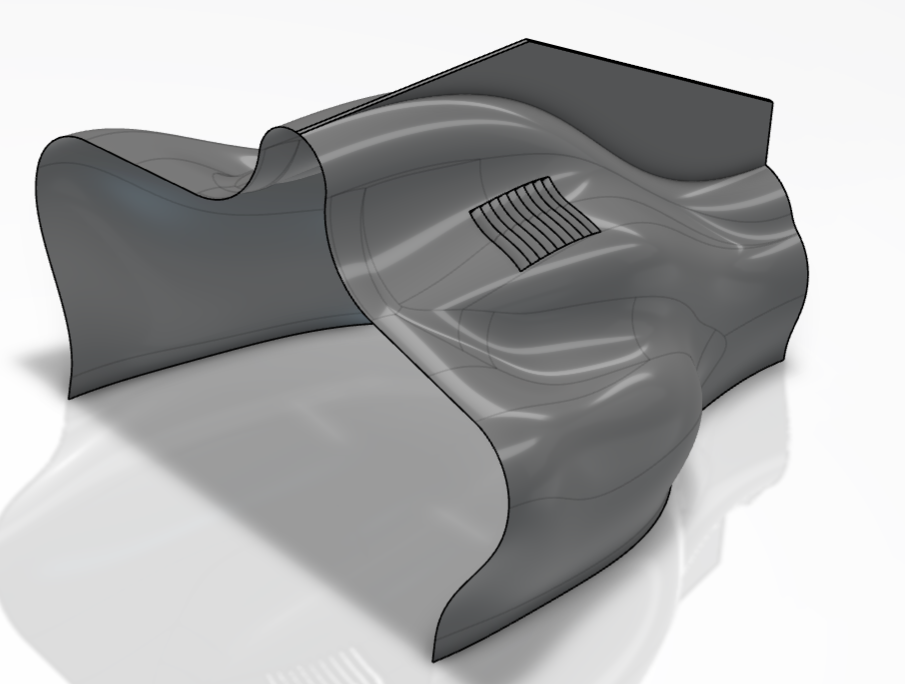
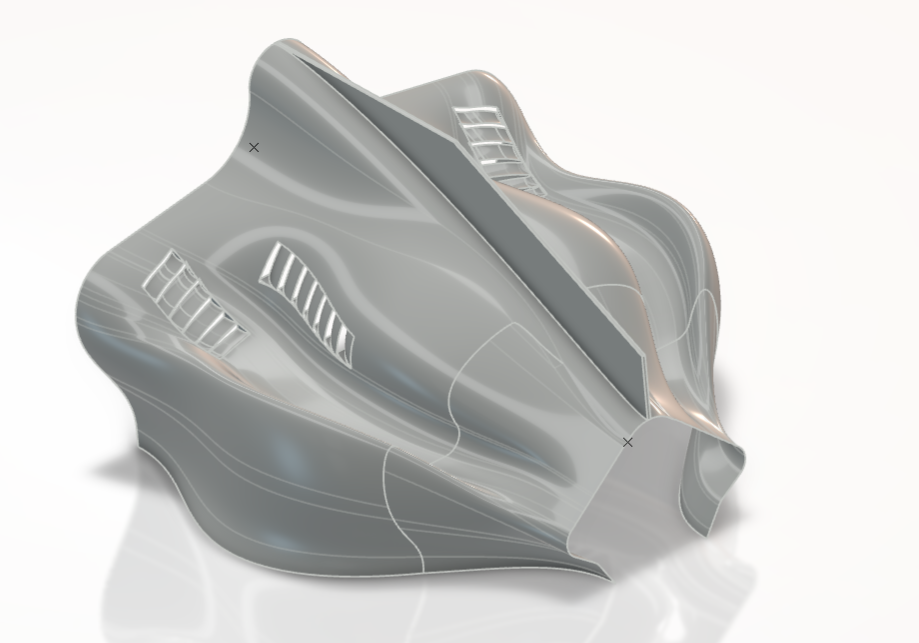
The bodywork exercise focused on creating adaptable surface geometry capable of supporting different aerodynamic concepts.
03
AEROFOIL DEVELOPMENT
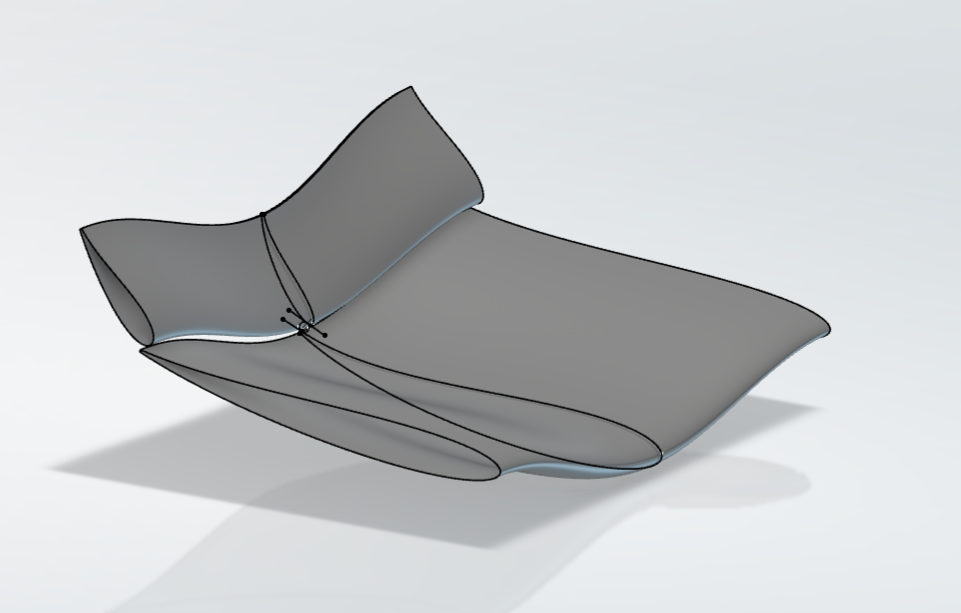
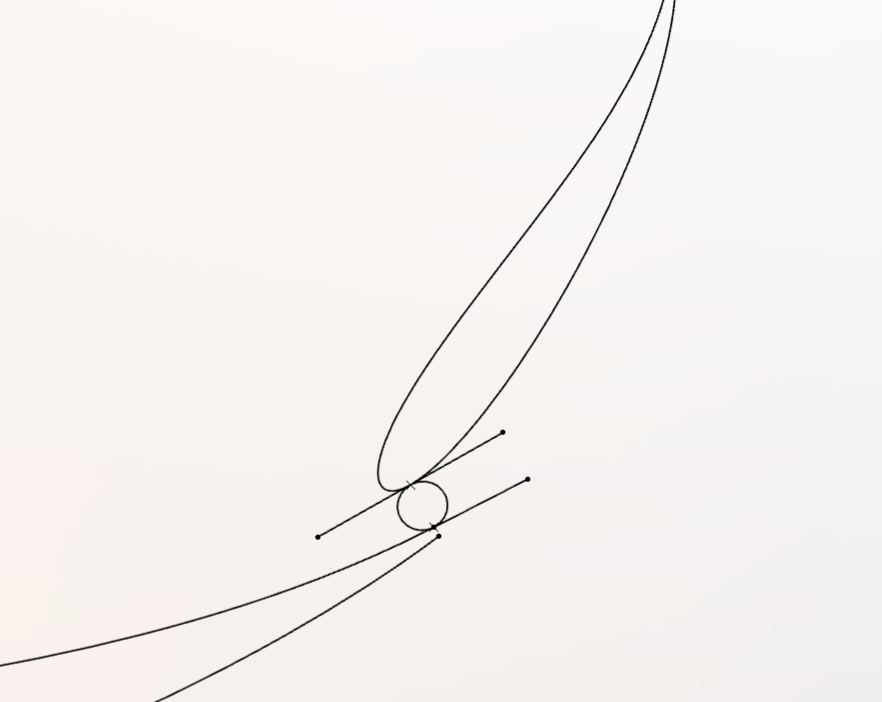
Aerofoil geometry was created from leading-edge, trailing-edge, chord and camber-line definitions, enabling the geometry to be modified parametrically.
PARAMETRIC DESIGN
04
SURFACE DEVELOPMENT
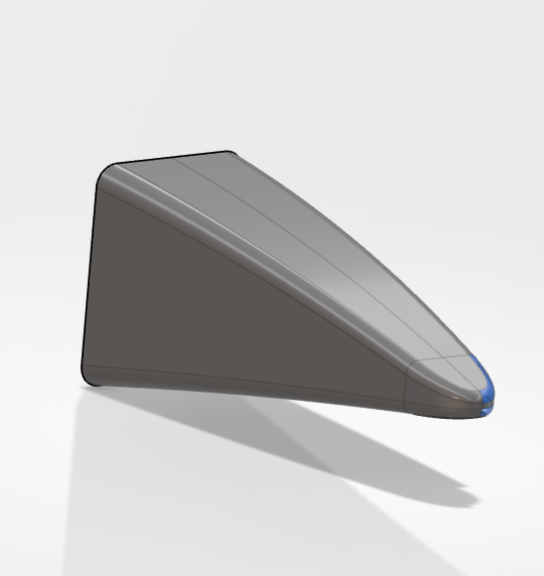
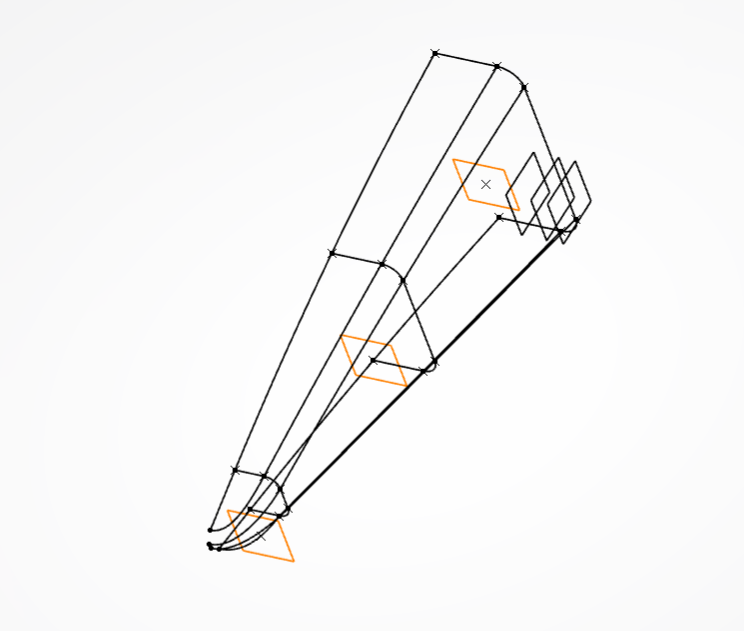
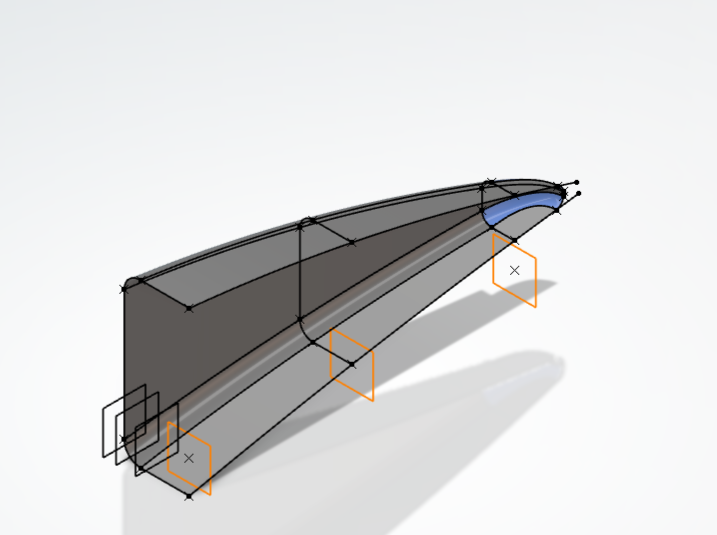
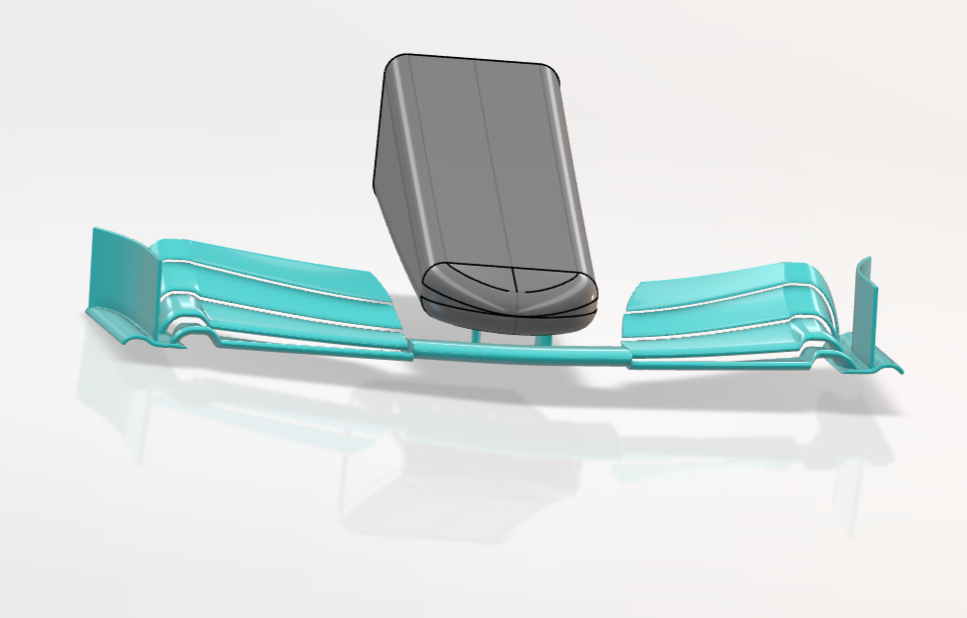
The nose cone was designed around an existing front-wing architecture while taking inspiration from historic Formula 1 designs.
ADDITIONAL DEVELOPMENT
Further exercises developed my understanding of parametric, modular and manufacturing-aware CAD.
Rectangular-to-circular transition using wireframes, tangency surfaces and multi-section geometry.
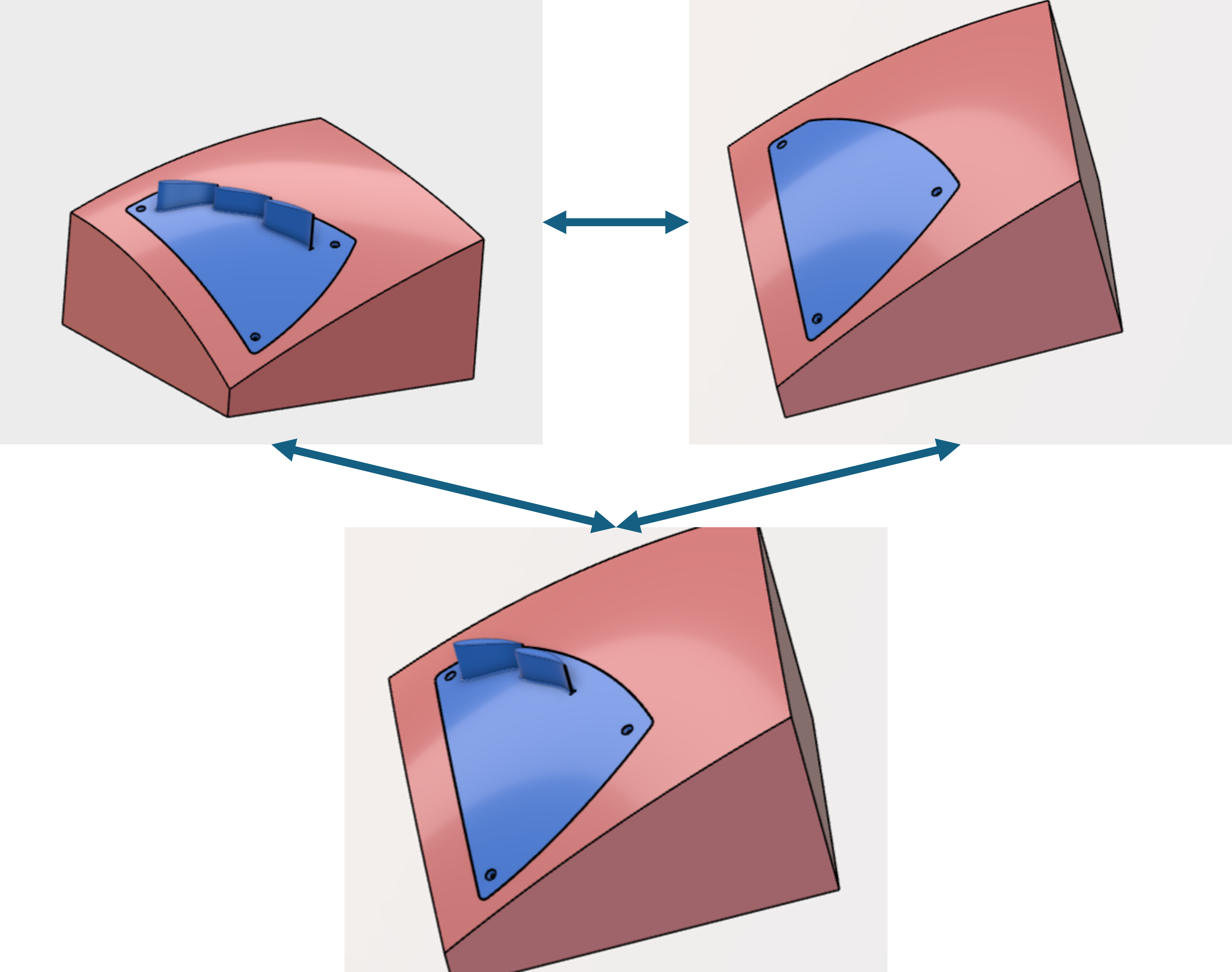
Modular sidepod component designed using split surfaces, tolerances and manufacturing features.
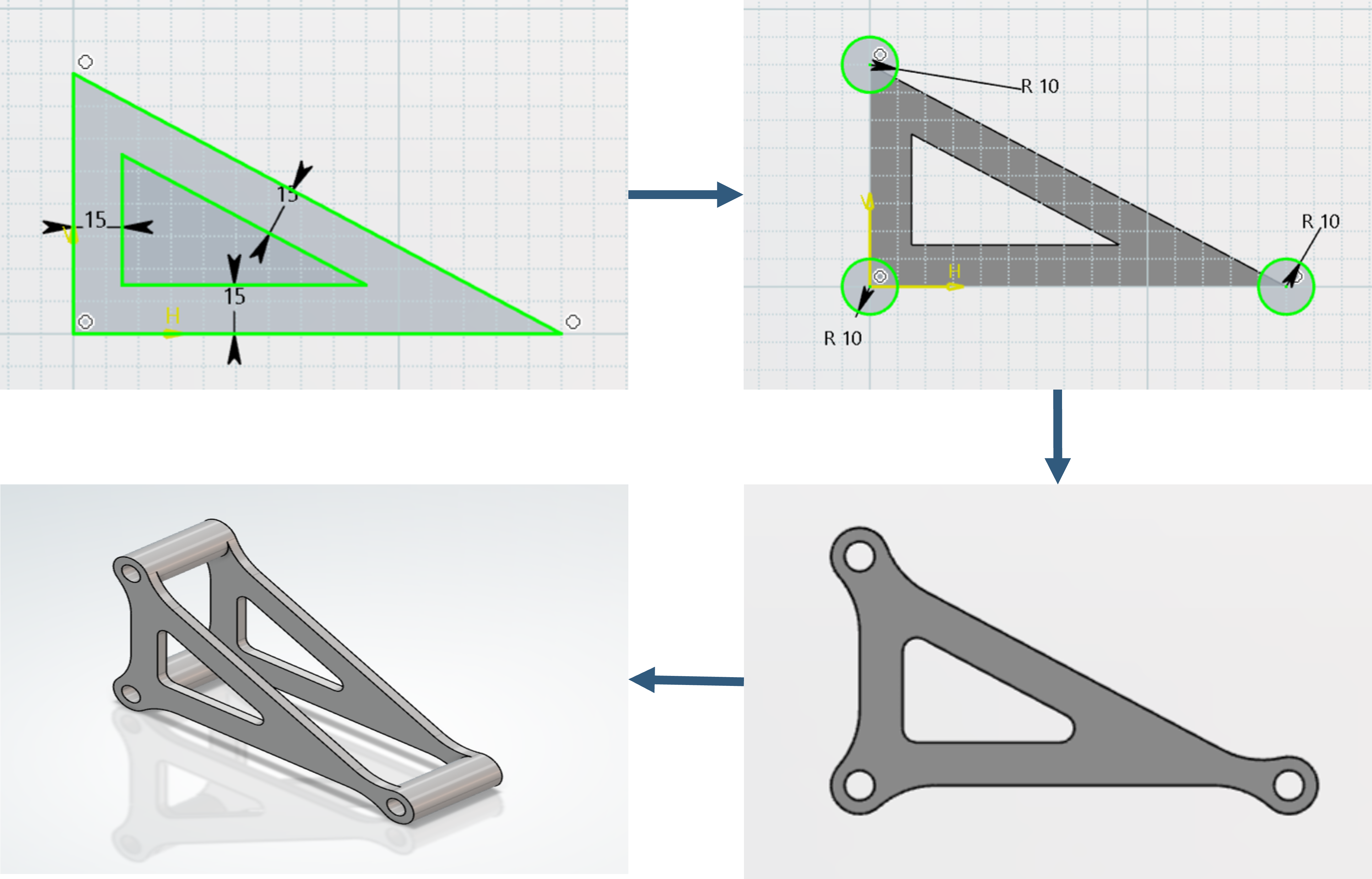
Fully constrained parametric component developed with a simplified model tree for efficient modification.
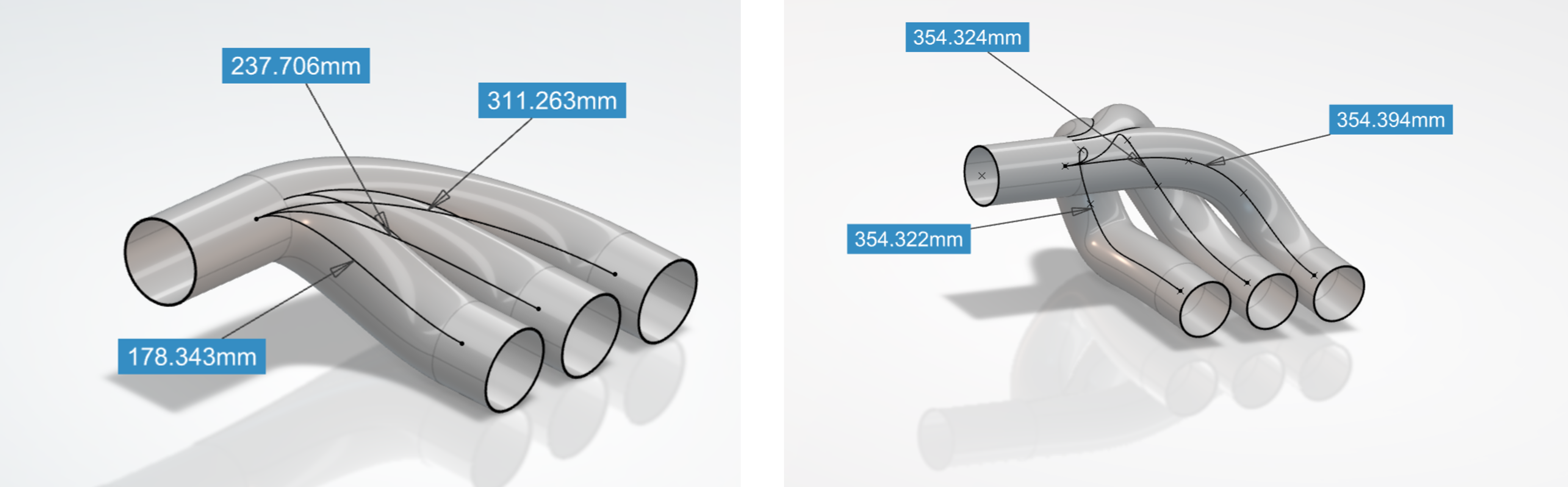
Complex exhaust geometry developed using splines, points, planes and Generative Shape Design.
PROJECT REFLECTION
Through these exercises, I developed a stronger understanding of how model structure affects the efficiency of the design process.
Parametric design became a key focus, allowing geometry to be modified quickly while reducing the risk of downstream model failures.