Discover
Entered the programme through sponsorship and marketing, developing an initial understanding of the competition.

DESIGN · CFD · MANUFACTURING · TEAM LEADERSHIP
Developing a national-final competition car through CAD, aerodynamic development, manufacturing and team leadership.
PROJECT OVERVIEW
My involvement in Formula One in Schools began within sponsorship and marketing before developing into a stronger interest in the technical design and manufacture of the car.
I progressed through roles in design and manufacturing before becoming Team Manager, where I combined engineering responsibilities with managing the wider team and development process.
The project developed my experience in CAD, CFD, engineering drawings, manufacturing and technical decision-making within a competitive engineering environment.
DEVELOPMENT JOURNEY
Entered the programme through sponsorship and marketing, developing an initial understanding of the competition.
Moved into CAD development and began contributing directly to the engineering of the car.
Developed a stronger understanding of how designs needed to change for practical manufacture.
Progressed into Team Manager while continuing to contribute technically across the vehicle.
01
VEHICLE DEVELOPMENT
The vehicle was developed through iterative CAD and aerodynamic analysis, with the aim of producing a competitive car while remaining within the manufacturing and competition constraints.
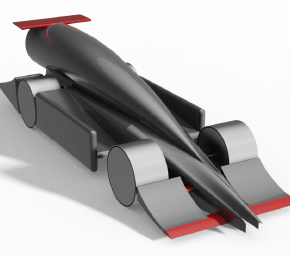
ENGINEERING DEVELOPMENT
02
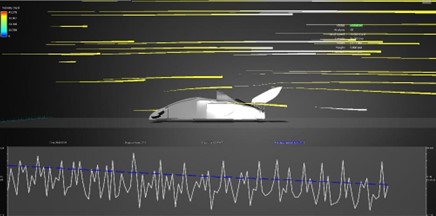
COMPUTATIONAL FLUID DYNAMICS
CFD and aerodynamic visualisation were used to investigate the airflow around the car and support design changes throughout development.
03
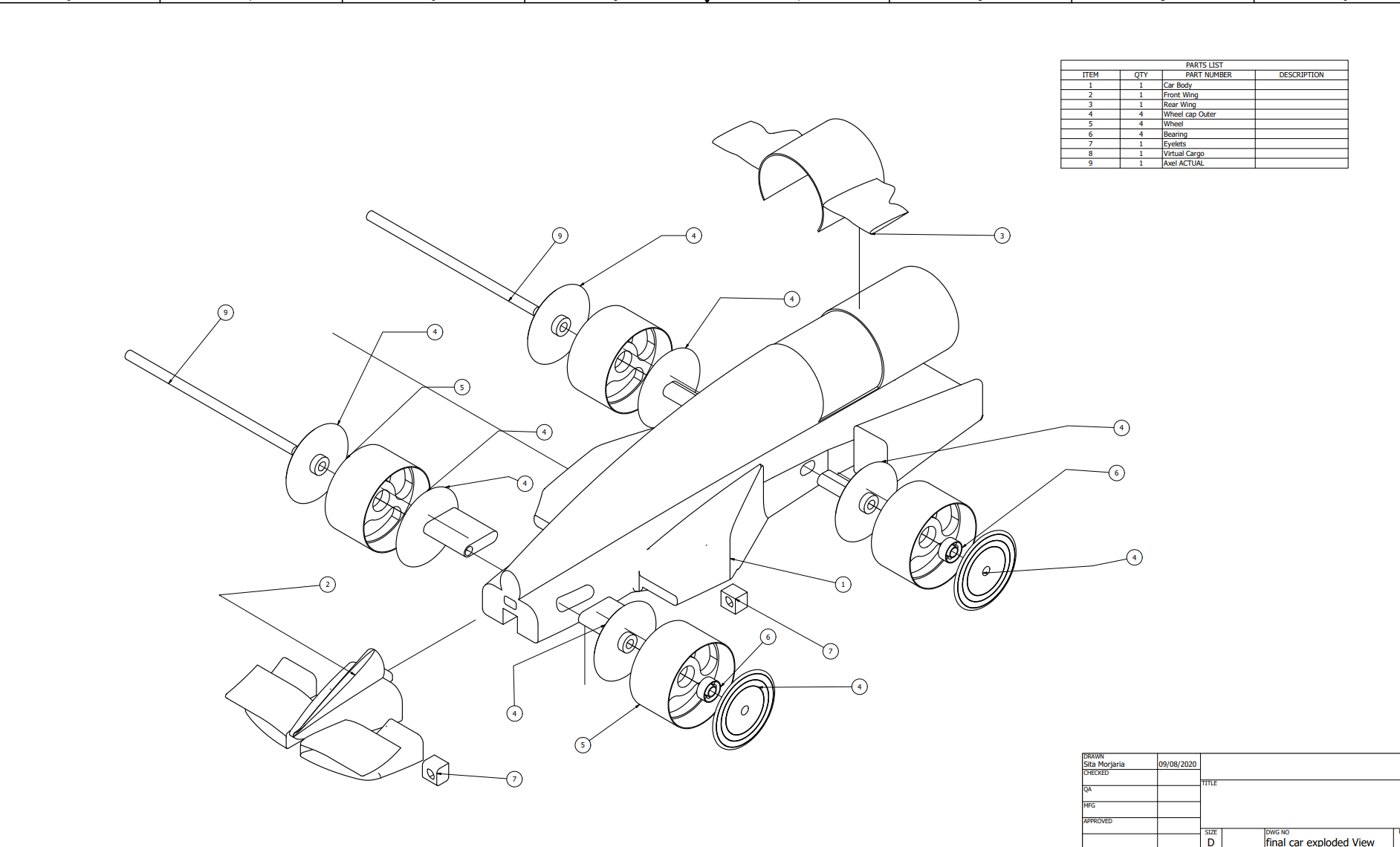
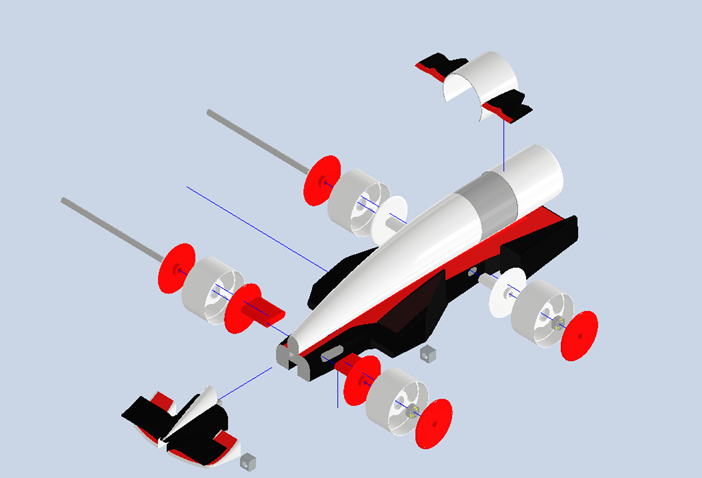
TECHNICAL DOCUMENTATION
Detailed drawings and assembly documentation were produced to communicate geometry, component interfaces and manufacturing information clearly.
04
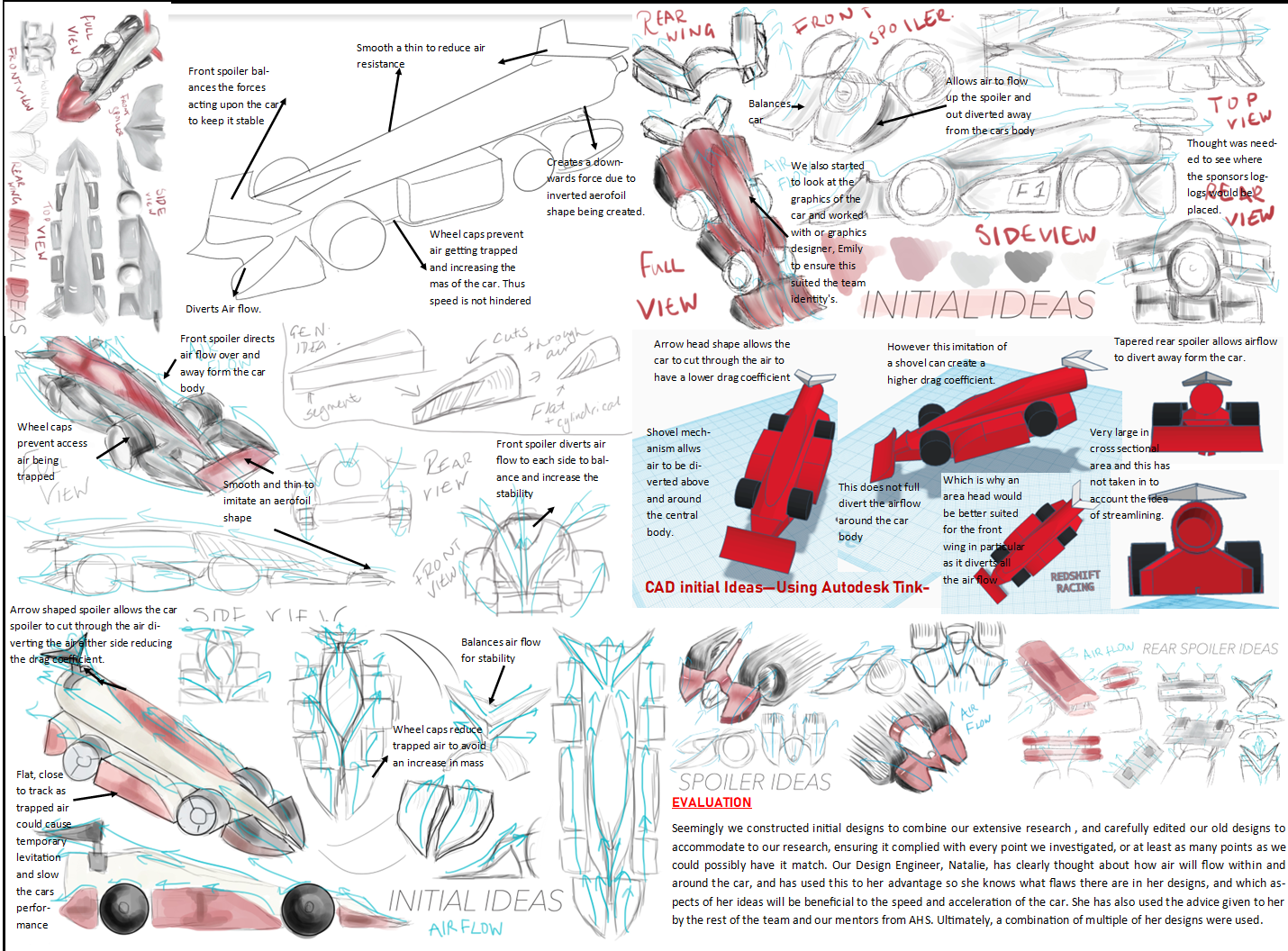
CONCEPT DEVELOPMENT
The design process developed from initial sketches and component concepts into increasingly detailed CAD models and technical documentation.
05
TEAM LEADERSHIP
Becoming Team Manager required the engineering programme to be considered alongside team organisation, communication and workload management.
Helped guide the overall design and manufacturing direction of the vehicle.
Distributed responsibilities while maintaining awareness of progress across the wider project.
Ensured engineering decisions and project requirements were communicated effectively within the team.
PROJECT REFLECTION
Formula One in Schools developed my early experience in CAD, manufacturing and aerodynamic analysis while introducing me to the process of developing a complete engineering product.
Progressing into a leadership role also developed my ability to communicate technical decisions, organise work and contribute across multiple areas of a project rather than focusing on one individual component.