Analyse
Use CFD-derived geometry to understand the aerodynamic intent and key surfaces.

AERODYNAMICS · DFM · COMPOSITES
Design, manufacture and optimisation of the University Formula Student team's inaugural aerodynamic package.
PROJECT OVERVIEW
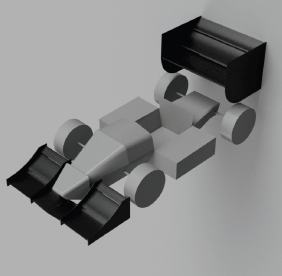
As a first-year member of the University's Formula Student team, I contributed to the development of the car's inaugural aerodynamic package.
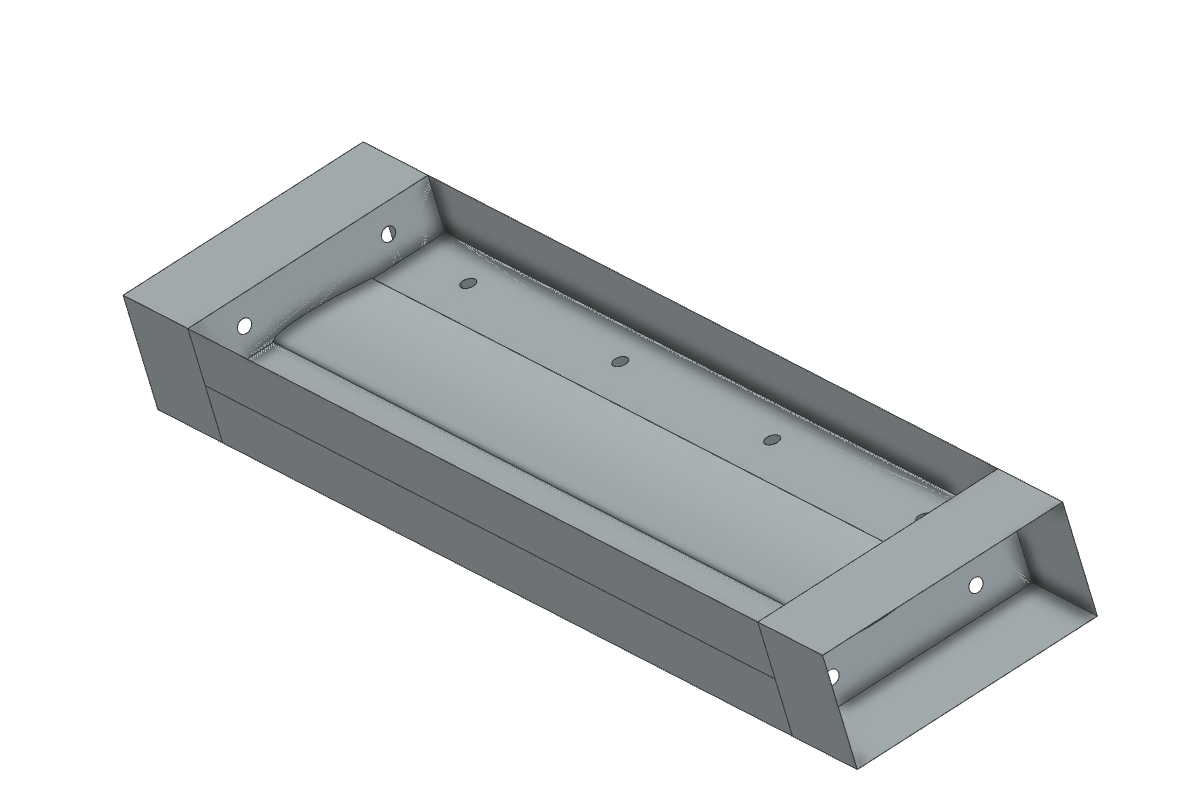
My work focused on the design-for-manufacture process, taking aerodynamic surfaces developed through CFD and adapting them into components that could be manufactured reliably.
This included research into carbon-fibre manufacturing techniques, CAD development of mould tooling, structural optimisation and performance validation.
DEVELOPMENT PROCESS
Use CFD-derived geometry to understand the aerodynamic intent and key surfaces.
Modify the design to satisfy manufacturing, packaging and structural requirements.
Develop mould tooling and composite manufacturing proposals for the wing elements.
Use simulation and vehicle-level modelling to assess the expected performance benefit.
01
AERODYNAMIC DEVELOPMENT
The project involved contributing to the team's first complete aerodynamic package, requiring the transition from CFD-driven surfaces into practical component designs.
DESIGN FOR MANUFACTURE
02
DESIGN FOR MANUFACTURE
A major focus of the project was adapting aerodynamic geometry so that the final components could be manufactured using realistic processes and tooling.
03
STRUCTURAL OPTIMISATION
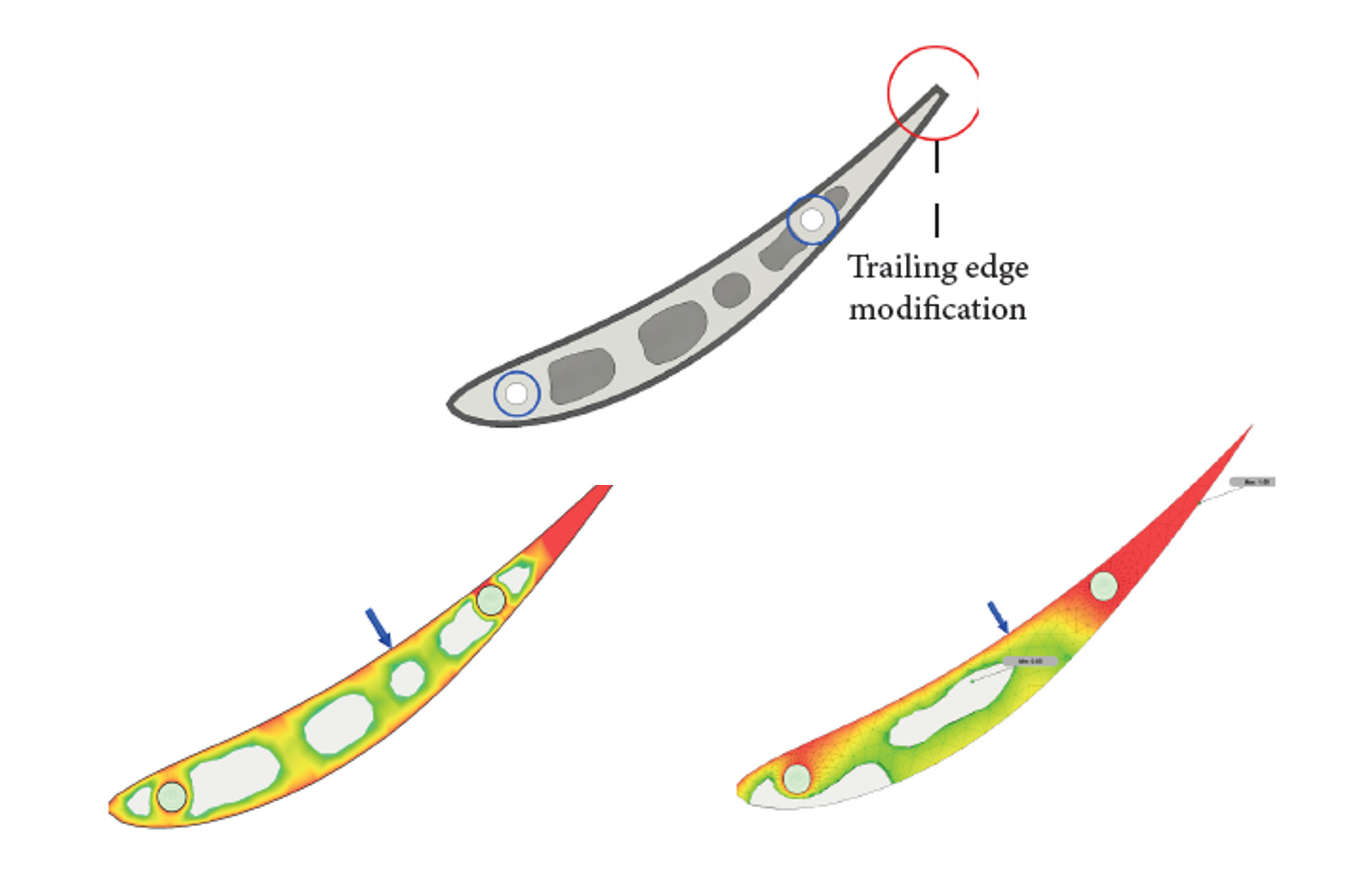
Structural optimisation was used to reduce unnecessary material while maintaining sufficient stiffness and strength within the aerodynamic components.
04
STRUCTURAL DESIGN
Internal rib structures were incorporated to increase stiffness without relying solely on additional external material.
05
COMPONENT ASSEMBLY
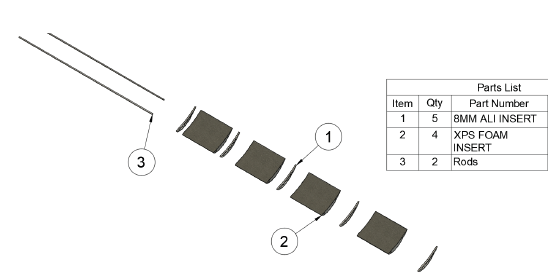
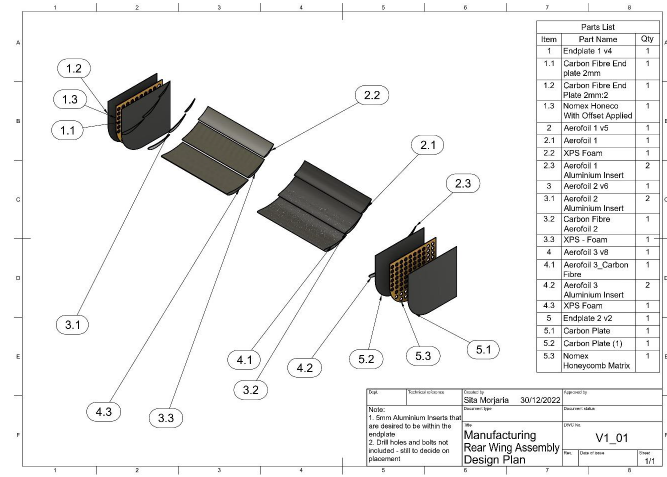
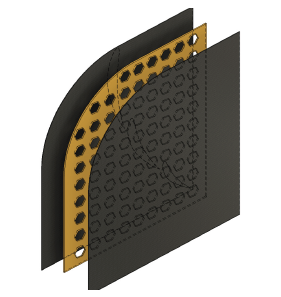
The component architecture was developed as an assembly, combining aerodynamic skins, structural inserts and internal reinforcement into a manufacturable wing structure.
PROJECT REFLECTION
This project developed my understanding of the compromises required when turning aerodynamic concepts into components that can be manufactured reliably.
It strengthened my experience across CAD, CFD and design for manufacture, while demonstrating the importance of considering aerodynamic performance, structural design and manufacturing constraints together.